
Call us now :08037736756
 Send Inquiry
 Send Inquiry
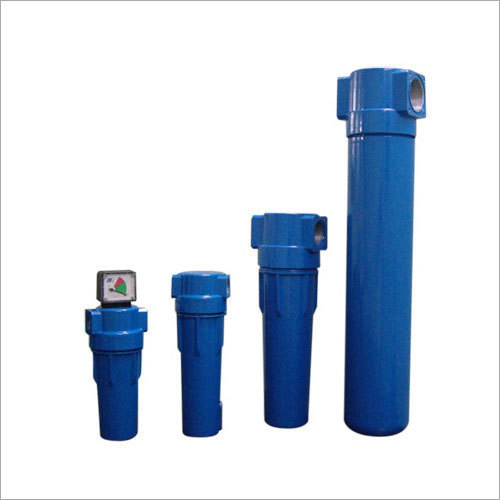
Oil Removal Filter
Price 6497.0 INR/ Piece
MOQ : 1 Piece
Oil Removal Filter Trade Information
- Minimum Order Quantity
- 1 Piece
- Payment Terms
- Cheque, Cash Advance (CA), Cash in Advance (CID)
- Delivery Time
- 3 Days
- Packaging Details
- BOX PACKING
- Main Export Market(s)
- Asia, Central America, Western Europe, Middle East, Africa, North America, South America, Eastern Europe, Australia
- Main Domestic Market
- All India
- Certifications
- TEST CERTIFICATE
Oil Removal Filter About
1. Primary Filter Media Options
- Coalescing Borosilicate Glass Fiber: The standard for liquid oil removal. It forces microscopic oil aerosols to merge into larger drops that fall to the bottom sump for drainage. It filters liquid oil down to 0.01 mg/m.
- Activated Carbon Media: Designed to catch oil vapors and odors that pass through standard coalescing filters. It uses chemical adsorption to trap vaporized hydrocarbons, reducing remaining oil content down to 0.003 mg/m.
- Sintered Stainless Steel / Porous Matrix: Used in heavy industrial or high-temperature lines to trap bulk oil and coarse sludge before the water/gas reaches high-precision finishing elements.
2. Core Technical Specifications
- Oil Removal Efficiency: Multi-stage setups achieve up to 99.999% removal of sub-micronic oil droplets.
- Operating Temperature Limits: Standard configurations run between 1C to 65C. High-purity carbon filters require incoming streams below 35C to prevent trapped oil vapors from re-evaporating.
- Operating Pressure Ratings: Extruded aluminum or steel vessels typically handle 7 to 16 bar (100 to 232 PSI) for standard factory air, with heavy-duty forged models rated up to 400+ bar.
- Initial Pressure Drop: Sized to operate at an initial clean pressure drop of less than 0.07 to 0.15 bar (1 to 2 PSI) to maximize energy efficiency.
3. Equipment & Drain Configurations
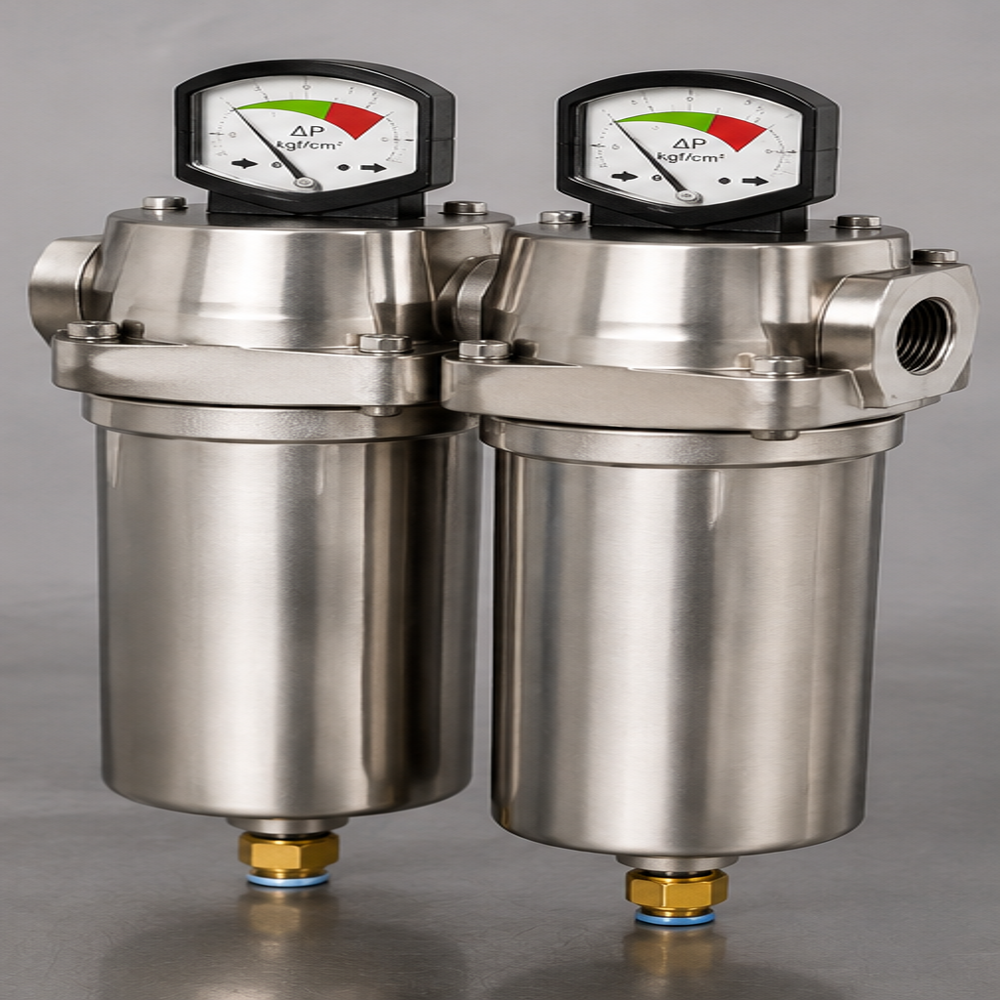
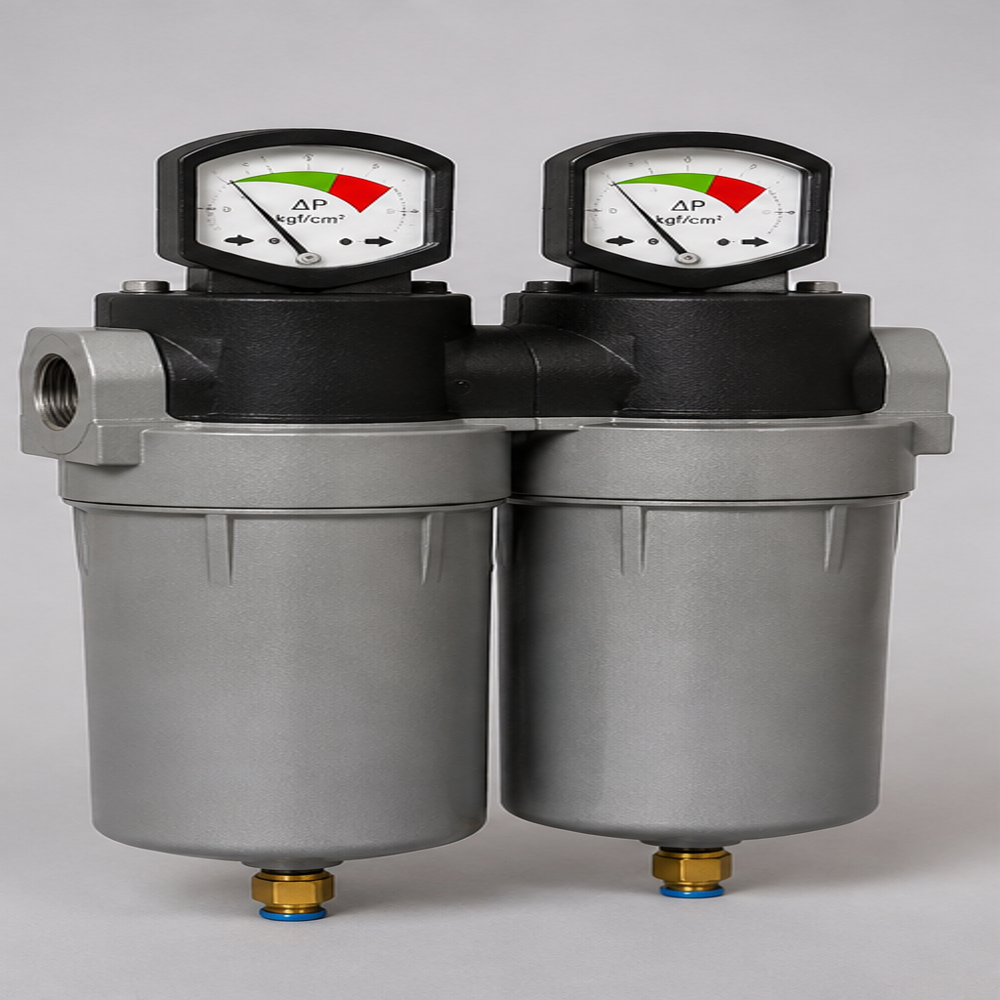
- Filter Housing: Constructed from die-cast aluminum with internal epoxy coatings or stainless steel 316L for sanitary or corrosive environments.
- Automatic Float Drain: Integrated into the bottom of coalescing housings to continuously eject separated liquid oil and water without losing line pressure.
- Differential Pressure Gauge: A color-coded pop-up indicator or digital monitor that signals when the internal element is saturated and needs a replacement.
4. Selection Criteria Matrix
| Parameter | Coarse Pre-Filter | Fine Coalescing Filter | Activated Carbon Adsorber |
|---|---|---|---|
| Primary Target | Bulk liquid oil & water | Liquid oil aerosols & mist | Hydrocarbon vapor & odors |
| Filtration Rating | 1 to 3 microns | 0.01 to 0.1 microns | Vapor state (No micron rating) |
| Remaining Oil Content | 1 to 5 mg/m | 0.01 mg/m | 0.003 mg/m |
| ISO 8573.1 Air Class | Class 3 Oil | Class 1 or 2 Oil | Class 1 Oil (Technically Oil-Free) |
If you are designing or purchasing an oil removal system, could you share:
- The medium you are filtering (Compressed air, natural gas, or process water)?
- Your required flow rate (in m/hr or CFM) and operating pressure?
- The required purity level (e.g., general workshop air, laser cutting, or food/pharma grade)?
Versatile Filtration for Industrial Systems
This oil removal filter is specifically designed for industrial environments needing efficient oil filtration. Its compatibility with a broad spectrum of machinery-from hydraulic and turbine systems to diesel engines-makes it a cornerstone for maintaining clean operations. Powder coating and robust construction ensure performance even under challenging circumstances.
Durable Design and Material Excellence
Constructed with premium materials, this filter features a dull-finished powder-coated surface for enhanced durability. Its dimensional flexibility (5-500 mm) supports a wide array of installation requirements. With exceptional resistance to heat (up to 120C), it's built to protect machinery from abrasive impurities and extend equipment lifespan.
FAQ's of Oil Removal Filter:
Q: How is the Oil Removal Filter installed in industrial systems?
A: The filter can be seamlessly integrated into hydraulic, lubricating, or other oil-based circuits according to the dimensions required (5-500 mm). Ensure proper sealing and compatibility with existing pipes or housings for optimal performance.Q: What applications benefit most from using this Oil Removal Filter?
A: This filter is ideal for hydraulic oil systems, lubricating oil (lube oil) filtration, gear and compressor oil filtration, turbine systems, diesel and fuel oil filtration, and coolant or cutting oil filtration, providing comprehensive protection for industrial machinery.Q: When should the Oil Removal Filter be replaced or serviced?
A: Filter replacement intervals depend on the usage intensity and contamination level. Regular inspection for pressure drop or reduced flow should guide maintenance, typically recommended every few months for critical applications.Q: Where can this filter be deployed within an industrial facility?
A: It can be installed wherever oil systems require filtration-such as machinery lubrication lines, compressor stations, turbine units, and coolant or cutting oil circuits.Q: What is the benefit of the powder coating and dull paint finishing?
A: Powder coating with a dull finish enhances the filter's durability, providing resistance against corrosion, chemical exposure, and abrasion, ensuring long-term reliability in harsh environments.Q: How does the filter process and remove contaminants from oil?
A: The filter media captures solid particulates and impurities from circulating oil, helping to maintain purity, protect internal components, and prevent machinery wear or failure.Q: What operational temperature range does the filter accommodate?
A: This oil removal filter operates efficiently within a temperature range of 45 to 120C, suitable for most industrial oil filtration environments.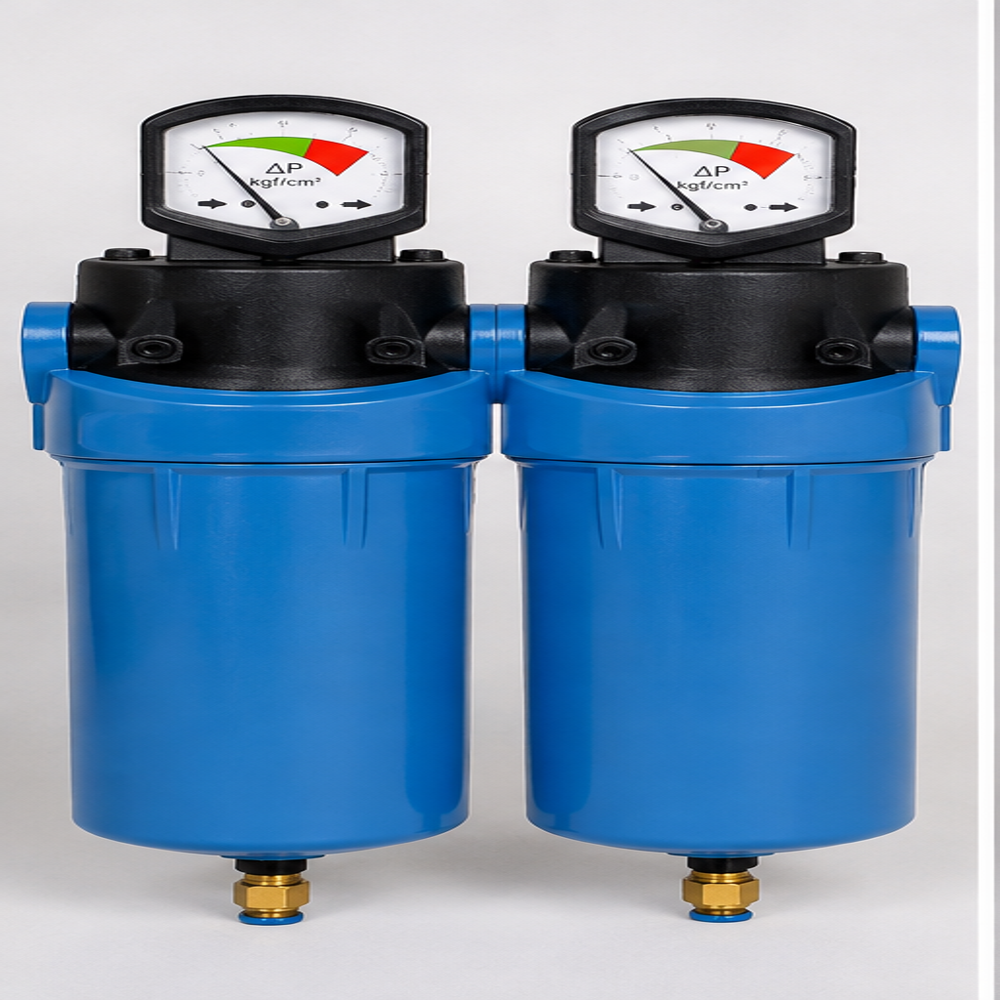
Tell us about your requirement

Price:
Quantity
Select Unit
- 50
- 100
- 200
- 250
- 500
- 1000+
Additional detail
Mobile number
Email

More Products in Air Line Filters Category
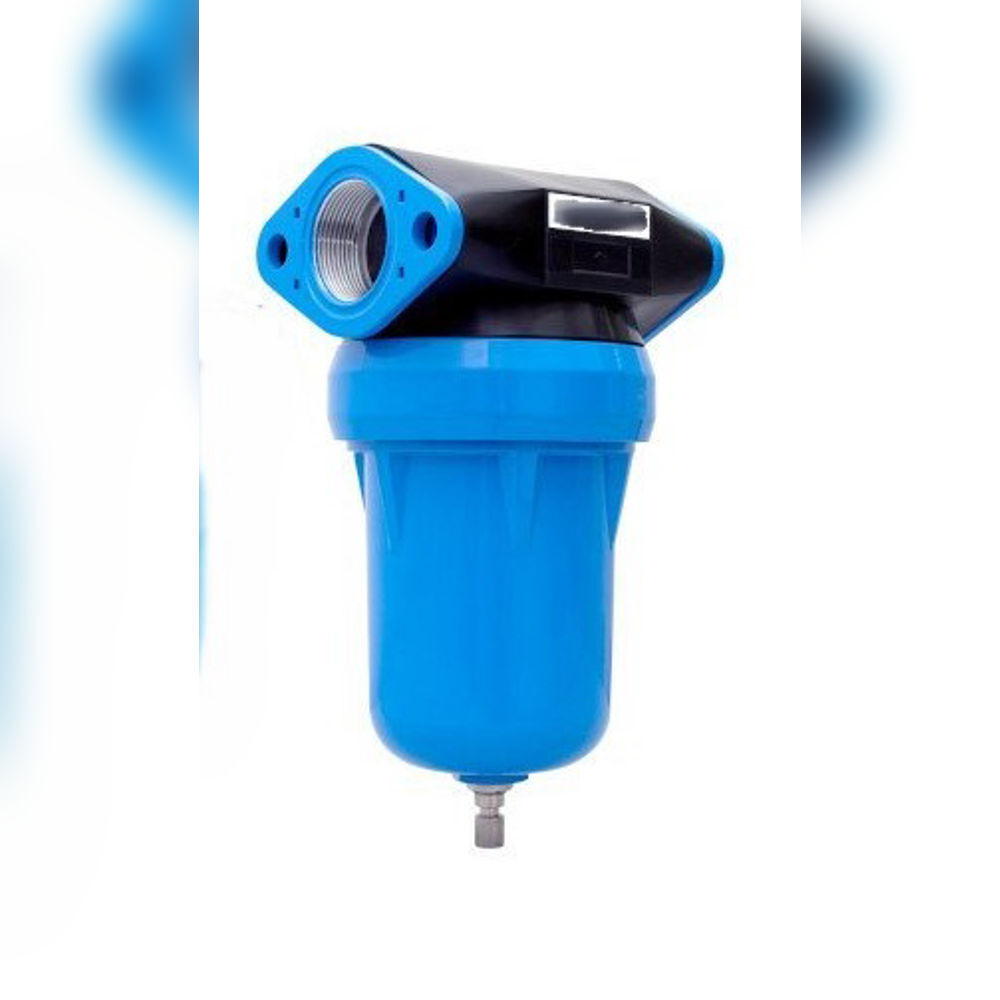
Air Oil Filter
Price 5000.0 INR / Number
Minimum Order Quantity : 1 Number
Color : BLUE
Usage : industrial
Width : 10 100 Inch (in)
Weight : 1.2 kg (approx.) Grams (g)
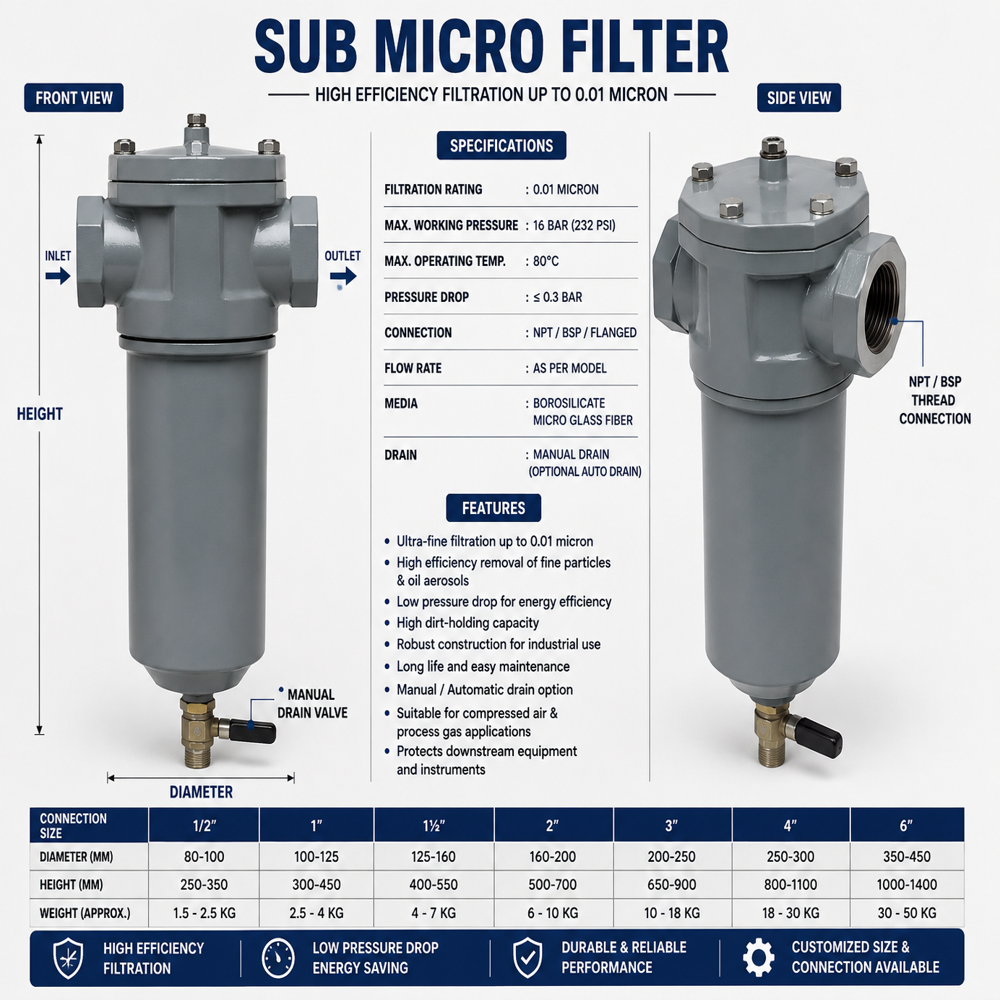
SUB MICRO FILTER
Price 6500.0 INR / Piece
Minimum Order Quantity : 1 Piece
Color : BLUE
Usage : Compressed Air Systems removes ultrafine particles and contaminants. Pneumatic Equipment protects valves, cylinders and airoperated machinery. Instrument Air provides clean air for sensitive instruments and control systems. Pharmaceutical Industries for highpurity process air. Food & Beverage Industries helps maintain clean process air. Medical & Healthcare Air Systems fine contaminant removal. Chemical & Process Industries filtration of process gases. Paint & Spray Systems prevents fine contamination of finished surfaces. Air Dryers & Downstream Equipment installed after moisture/coalescing filtration for finer filtration.
Width : 80 TO 450 Millimeter (mm)
Weight : 1.5 TO 50 Kilograms (kg)
PRE FILTER
Price 5000.0 INR / Piece
Minimum Order Quantity : 1 Piece
Color : BLUE
Usage : Compressed Air Systems removes dust, dirt and larger particles. Air Compressors protects downstream filtration equipment. Pneumatic Systems protects valves, cylinders and air tools. Pharmaceutical & Chemical Industries pretreatment of process air. Food & Beverage Industries removes airborne contaminants from process air. Paint & Spray Systems prevents dust contamination. Industrial Air Handling protects HEPA, micro and submicro filters. Process Gas Systems removes coarse particulate contamination. Typical Filtration Sequence:
Width : 80 TO 350 Millimeter (mm)
Weight : 1.2 TO 15 Kilograms (kg)
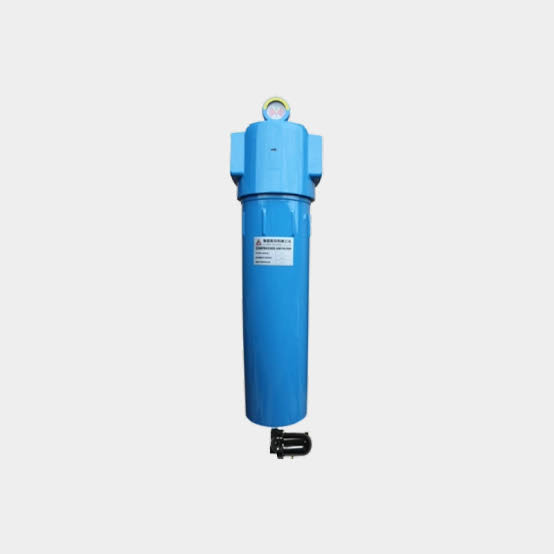
Line Filters
Price 8500.0 INR / Piece
Minimum Order Quantity : 1 Piece
Color : BLUE
Usage : Functional System Deployment,Operational Rules & Monitoring,StepbyStep Maintenance Usage,
Width : 45 TO 400 Millimeter (mm)
Weight : 101000 Kilograms (kg)

 Send Inquiry
Our Products


Ff/Shed No C-01/389/8, Third Floor, Opp. Matrix Company,Vadodara - 390010, Gujarat, India

Mr. Mahendra Patel
(Proprietor)
Mobile :08037736756
 Send Inquiry
 Send SMS
Developed and Managed by Infocom Network Private Limited.
