
Call us now :08037736756
 Send Inquiry
 Send Inquiry
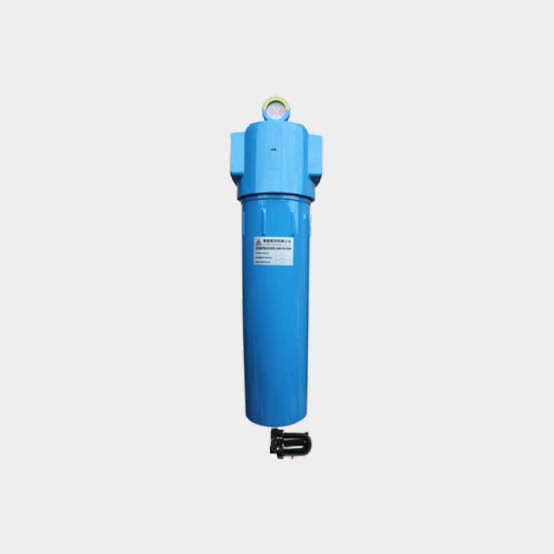
Activated Carbon Filters
Price 6197.0 INR/ Piece
MOQ : 1 Piece
Activated Carbon Filters Trade Information
- Minimum Order Quantity
- 1 Piece
- Payment Terms
- Cash Advance (CA), Cash in Advance (CID), Cheque
- Delivery Time
- 3 Days
- Packaging Details
- BOX PACKING
- Main Export Market(s)
- Australia, Central America, North America, South America, Eastern Europe, Western Europe, Middle East, Africa, Asia
- Main Domestic Market
- All India
- Certifications
- TEST CERTIFICATE
Activated Carbon Filters About
An activated carbon filter (also known as a carbon adsorber or carbon tower) is a specialized water or gas treatment system that utilizes a highly porous carbon media to pull chemical impurities out of a fluid stream.
Unlike standard sediment filters that trap particles mechanically, activated carbon removes contaminants through a chemical process called adsorption, where polluting molecules stick to the massive internal surface area of the carbon pores.
1. Primary Filter Media Options
- Granular Activated Carbon (GAC): Loose carbon granules packed inside a fiberglass or stainless steel pressure vessel. It is the industry standard for bulk water treatment because it handles high flow rates with a low pressure drop.
- Carbon Block: Powdered carbon compressed with a binding agent into a solid cylindrical cartridge. It forces water through microscopic pathways, combining chemical adsorption with sub-micron particle filtration.
- Powdered Activated Carbon (PAC): Fine carbon powder added directly to bulk raw water in municipal treatment facilities to handle sudden odor or chemical spills before being settled out.
2. Core Technical Specifications
- Iodine Number: Measures the porosity and surface area of the carbon. High-purity filters use carbon with an iodine number between 900 to 1,200+ mg/g for maximum chemical trapping.
- Empty Bed Contact Time (EBCT): The duration the water stays in contact with the media bed. Chlorine removal requires an EBCT of 3 to 5 minutes, while removing pesticides or heavy organic volatile compounds (VOCs) requires 10 to 15+ minutes.
- Base Materials: Constructed from coconut shells (best for micro-pores and volatile chemicals), bituminous coal (best for mid-to-large color molecules), or wood (best for bulk organic wastewater remediation).
3. Key Process Applications
A. Liquid / Water Treatment
- Chlorine & Chloramine Removal: Strips out municipal disinfectants that ruin the taste of drinking water and damage downline Reverse Osmosis (RO) membranes.
- Organic Compound Removal: Traps pesticides, herbicides, industrial solvents, and volatile organic compounds (VOCs).
- Taste and Odor Elimination: Eradicates swampy, metallic, or chemical smells caused by decaying organic matter or algae blooms.
B. Gas / Air Treatment
- Oil Vapor Removal: Installed directly downstream of compressed air coalescing filters to strip out vaporized compressor hydrocarbons down to 0.003 mg/m.
- Odour & Toxic Gas Scrubbing: Captures volatile solvent gases, hydrogen sulfide, and hazardous emissions in chemical factories and exhaust vents.
4. Selection Criteria Matrix
| Parameter | Coconut Shell Carbon | Bituminous Coal Carbon | Carbon Block Cartridge |
|---|---|---|---|
| Pore Type Profile | Highly Micro-porous | Balanced Meso/Micro-porous | Compact Matrix Pathway |
| Best Target Profile | Small molecules / VOCs / Odors | Medium organics / Color removal | Chlorine / Fine sediment polishing |
| System Pressure Drop | Low | Medium | High |
| Backwash Requirement | Yes (For loose tank designs) | Yes (For loose tank designs) | None (Replaceable element) |
If you are specifying or setting up a system, could you tell me:
- Are you using this carbon filter for water purification or for gas/compressed air treatment?
- What is the target chemical or contaminant you need to remove (e.g., chlorine, organic smells, or oil vapors)?
- What is your system's flow rate?
Versatile Application Range
These activated carbon filters are suitable for a spectrum of applications, including water treatment, compressed air purification, food and beverage production, and HVAC air scrubbing. Their comprehensive cable and conductor support ensures compatibility with both display sensors and critical safety systems, making them ideal for industries where reliability and monitoring are essential.
Advanced Monitoring & Control
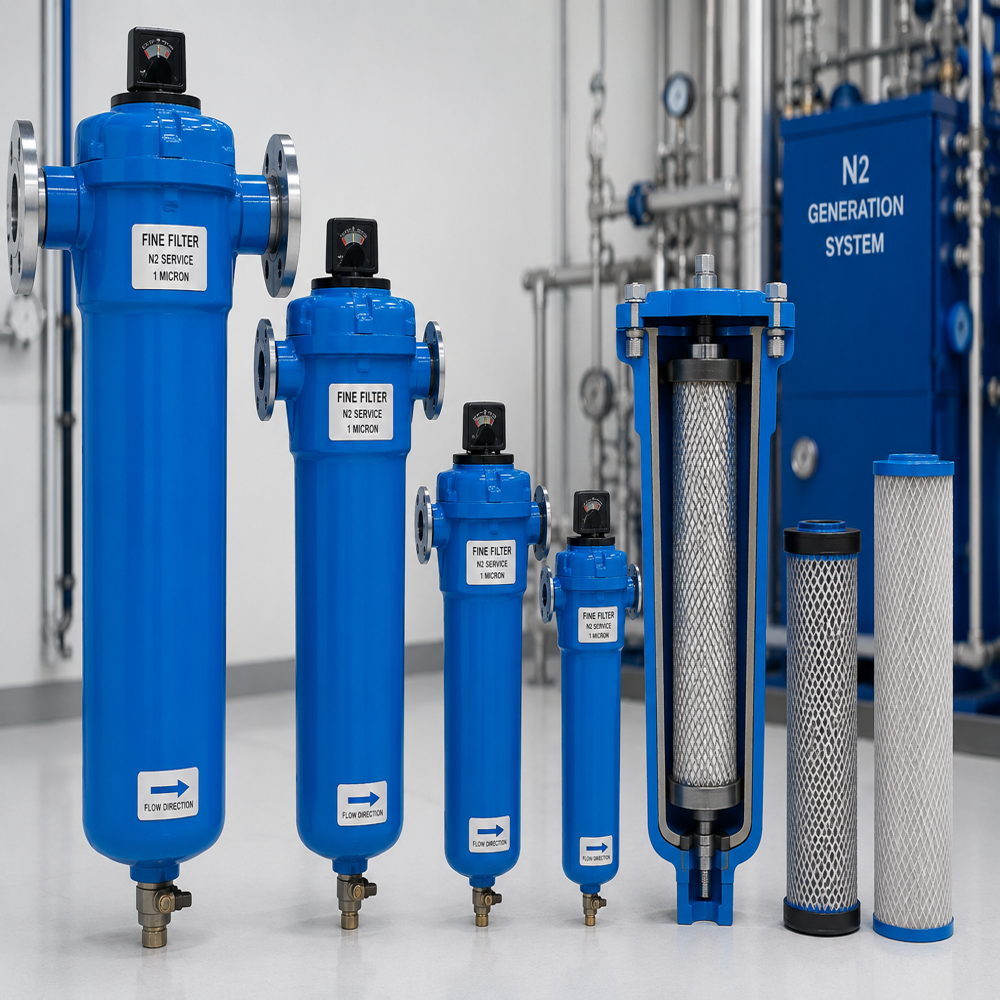
Monitor filtration operation in real time using a selection of display options-including digital LED/LCD controllers, mechanical and analog dials, visual pop-up clogging indicators, and IoT-enabled smart modules. This adaptability helps streamline maintenance processes and provides timely alerts to reduce potential downtime.
FAQ's of Activated Carbon Filters:
Q: How does the activated carbon filter handle varying industrial applications?
A: The filter is designed to function effectively in water, air, and gas purification across industries such as food, beverage, pharmaceuticals, and HVAC. Its range of conductor and cable types, as well as material and display versatility, support integration into multiple operational systems.Q: What are the benefits of using digital, analog, and smart display modules in these filters?
A: These advanced display modules provide accurate real-time data for maintenance and operation. Digital and smart IoT displays allow for remote monitoring and automated alerts, while analog gauges enable quick visual inspections on the spot.Q: When should the activated carbon filter be checked or serviced?
A: Service intervals depend on both usage volume and the type of contaminant present. Visual pop-up clogging indicators, as well as digital/analog displays, provide timely notifications when maintenance or filter replacement is required.Q: Where can these activated carbon filters be installed?
A: They are suitable for use in water treatment plants, compressed air systems, food and pharmaceutical facilities, and HVAC units. Their robust build and range of available configurations allow easy installation in diverse environmental setups.Q: What process ensures safety and reliability for oil and gas filtration?
A: Critical static grounding and bonding cables ensure safety by preventing dangerous static build-up, especially in volatile environments such as oil and gas processing. Combined with strong pressure vessel housing, these features promote safe and reliable operation.Q: How does the blue color of the filter benefit the user?
A: The blue color provides clear visual identification among equipment, aiding in quick location for inspections, maintenance, and compliance checks within industrial environments.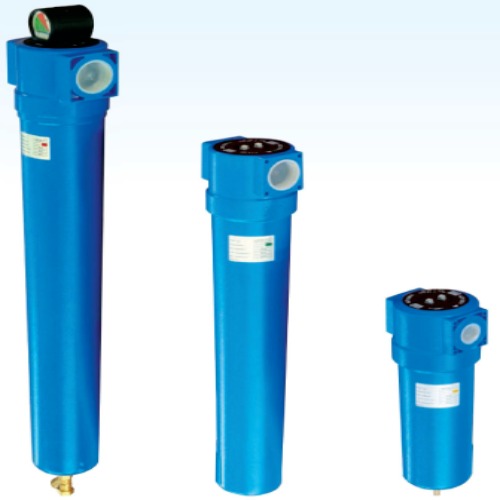
Tell us about your requirement

Price:
Quantity
Select Unit
- 50
- 100
- 200
- 250
- 500
- 1000+
Additional detail
Mobile number
Email

More Products in Air Line Filters Category
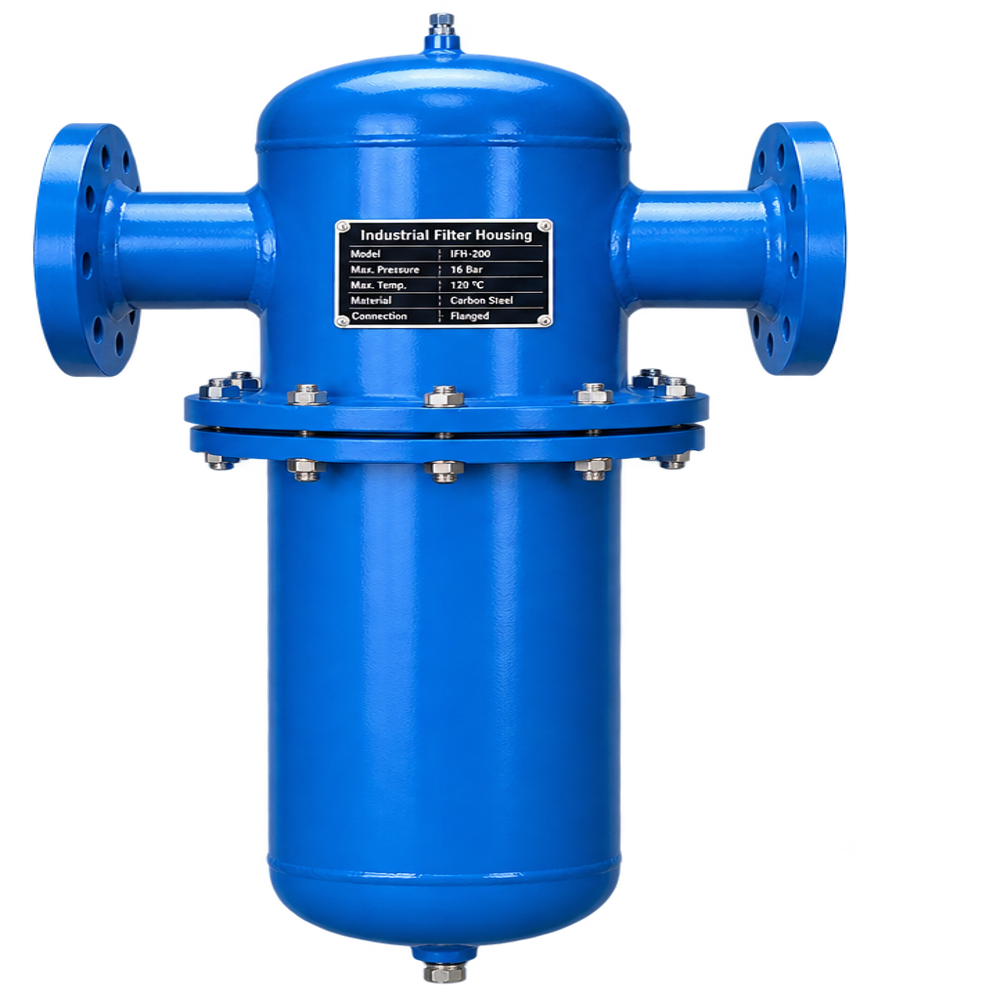
Industrial Aluminium Housing
Price 10000.0 INR / Piece
Minimum Order Quantity : 10 Pieces
Weight : 201000 Kilograms (kg)
Product Type : flanged basketstyle industrial filter housing
Color : BLUE OR CUSTOMISED
Length : 2000 Millimeter (mm)
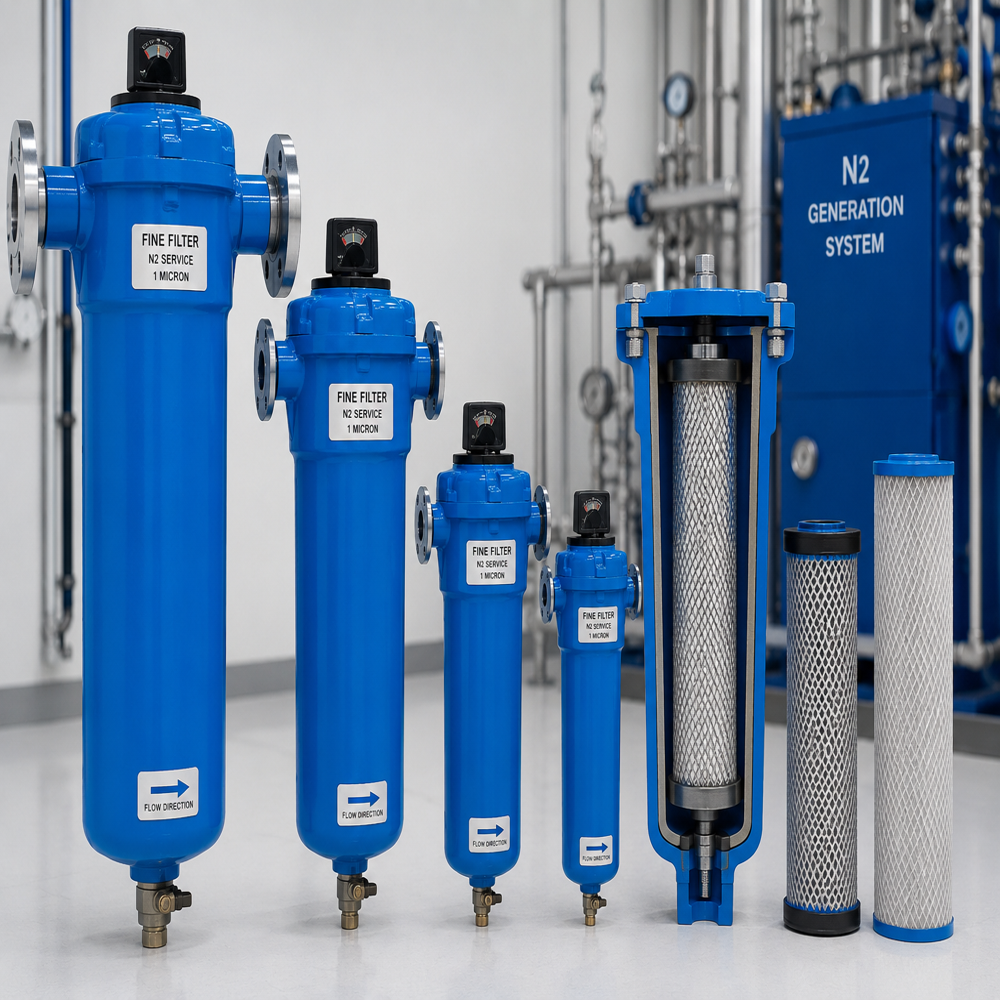
FINE FILTER
Price 6600.0 INR / Piece
Minimum Order Quantity : 1 Piece
Weight : 5500 Kilograms (kg)
Product Type : Liquid Fine Filter Product Types, Air / HVAC Fine Filter Product Types, Classification by Filter Precision (Micron Grading), Technical Procurement Classifications
Color : BLUE
Length : 10 TO 45 Inch (in)
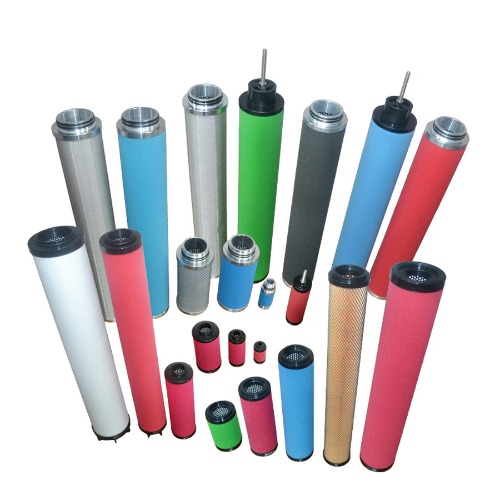
Compressed Air Filter Cartridges
Price 7500.0 INR / Piece
Minimum Order Quantity : 1 Piece
Weight : 101000 Kilograms (kg)
Product Type : borosilicate glass microfibers ELEMENT, 0.01 to 0.1 microns. ELEMENT,,Industrial Replacement Cartridges for Compressed Air Purificationcellulose, polyester, or sintered stainless steel wire mesh.,,Internal Inline Elements
Color : BLUE,YELOOW,BLACK,RED, OFF WHITE,
Length : 101000 Millimeter (mm)
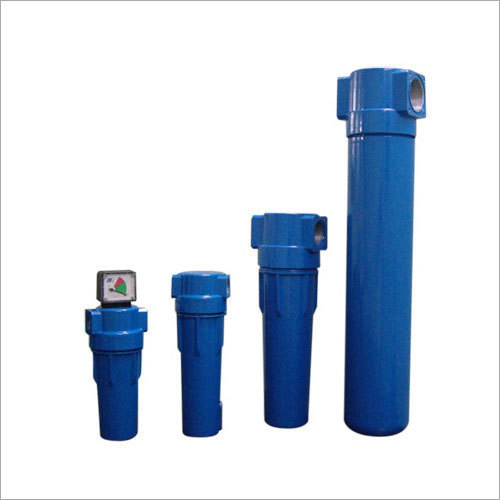
SUB MICRO FILTER
Price 6500.0 INR / Piece
Minimum Order Quantity : 1 Piece
Weight : 1.5 TO 50 Kilograms (kg)
Product Type : Sub Micro Filter
Color : BLUE
Length : 250 TO 1400 Millimeter (mm)

 Send Inquiry
Our Products


Ff/Shed No C-01/389/8, Third Floor, Opp. Matrix Company,Vadodara - 390010, Gujarat, India

Mr. Mahendra Patel
(Proprietor)
Mobile :08037736756
 Send Inquiry
 Send SMS
Developed and Managed by Infocom Network Private Limited.
