
Call us now :08037736756
 Send Inquiry
 Send Inquiry
Sand Filter, iron removel filter, customised filter
Price 85000.0 INR/ Piece
MOQ : 1 Piece
Sand Filter, iron removel filter, customised filter Specification
- Resistance
- Corrosion and pressure resistant
- Capacity
- 1000 to 100000 Ltr/hr
- Efficiency (%)
- 98%
- Diameter
- 400 to 2000 Millimeter (mm)
- Usage
- Water Filtration Systems RO & DM Water Plants Chemical Processing Food & Beverage Industry Pharmaceutical Industry Oil & Lubrication Filtration Paints, Inks & Coatings Process Liquid Filtration
- Type
- Material
- Stainless Steel
- Size
- Custom Built 3 to 52 Round, 10" / 20" / 30" / 40" Cartridge Length.
- Height
- 1200-1500 Millimeter (mm)
- Product Type
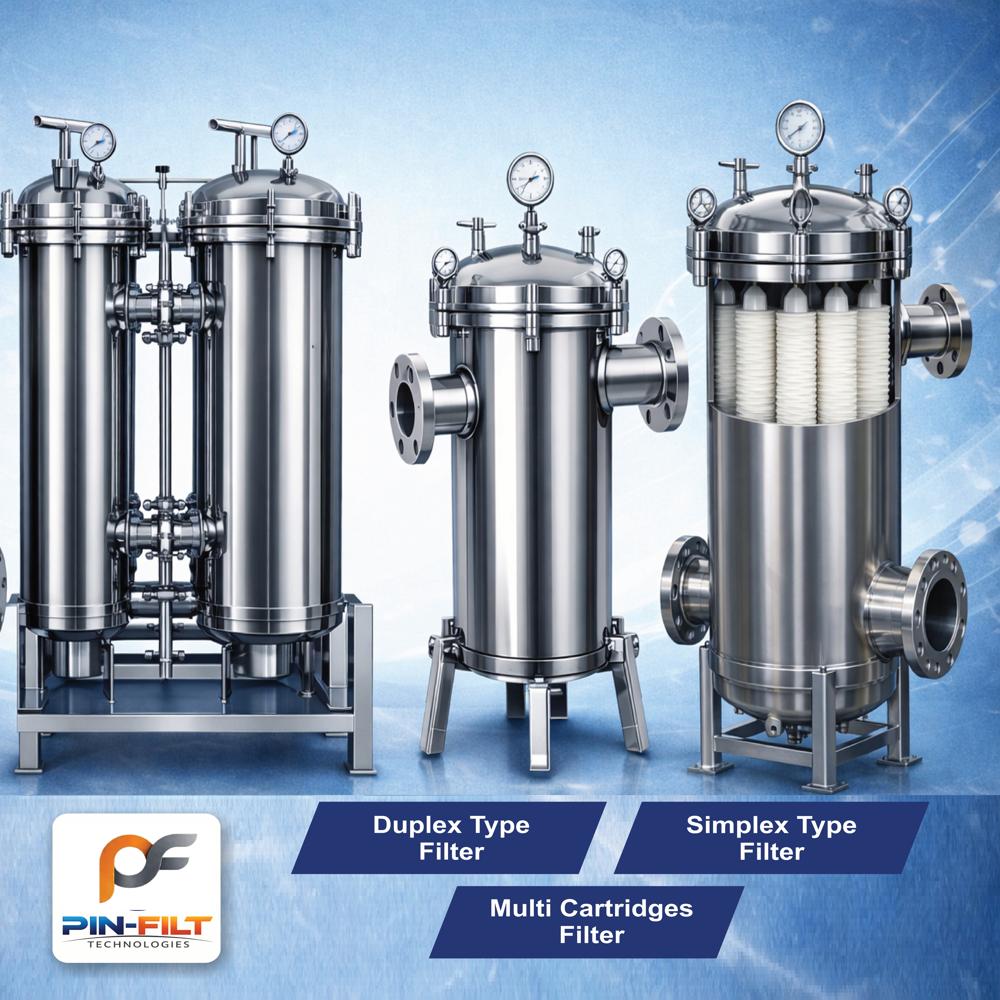
- Simplex Cartridge Filter Housing Duplex Cartridge Filter Housing Multi Cartridge Filter Housing
- Weight
- 20-250 Kilograms (kg)
- Thickness
- 4 to 12 (varies by model) Millimeter (mm)
- Color
- silver
- Width
- 200-700 Millimeter (mm)
- Length
- 1200-1500 Millimeter (mm)
- Thermal Shrinkage
- 1%
- Working Temperature
- 0C to 60C Celsius (oC)
- Application
- Industrial Water Filtration, Wastewater Treatment, Swimming Pools
- Operating Principle
- Suspended solids removal by mechanical filtration
- Support Media
- Gravel, Pebbles, Sand
- Surface Finish
- Mirror/Matte Polish
- Leg Support
- Heavy-duty stainless steel
- Inlet/Outlet Connection
- Flanged, customizable diameter
- Gasket Material
- EPDM/Silicon
- Backwash Facility
- Automatic/Manual
- Design Standard
- ASME/IS standard compliant
- Manhole
- Top mounted with clamp lock
- Pressure Rating
- Up to 10 Bar
Sand Filter, iron removel filter, customised filter Trade Information
- Minimum Order Quantity
- 1 Piece
- Payment Terms
- Cash Against Delivery (CAD), Cash on Delivery (COD), Cash Advance (CA), Cash in Advance (CID), Cheque
- Supply Ability
- 20 Pieces Per Week
- Delivery Time
- 3 Days
- Sample Available
- Yes
- Sample Policy
- Within a certain price range free samples are available
- Packaging Details
- box packing with bubble wraping
- Main Domestic Market
- South India, Central India, West India, North India, Mizoram, Meghalaya, Manipur, Chandigarh, Daman and Diu, Goa, Jharkhand, Maharashtra, Nagaland, Rajasthan, Sikkim, Tamil Nadu, Telangana, Tripura, Pondicherry, Uttar Pradesh, Uttarakhand, West Bengal, East India, Gujarat, Karnataka, Kerala, Lakshadweep, All India, Andhra Pradesh, Bihar, Odisha, Punjab, Assam, Delhi, Dadra and Nagar Haveli, Andaman and Nicobar Islands, Arunachal Pradesh, Chhattisgarh, Haryana, Himachal Pradesh, Jammu and Kashmir, Madhya Pradesh
- Certifications
- test certificate
About Sand Filter, iron removel filter, customised filter
- Design Flow Rate: 20 m/hr (scalable based on tank size)
- Working Pressure: 4.0 kg/cm (Test pressure at 1.5 times working pressure)
- Material of Construction (MOC): Mild Steel with Epoxy Paint, FRP, or Stainless Steel
- Operating Temperature: Ambient water temperature up to 45C
-
- Fine Sand (Effective Size): 0.45 mm to 0.55 mm
- Coarse Sand / Silex: 1.0 mm to 2.0 mm support layers
- Gravel Support Bed: Graduated layers ranging from 2.0 mm up to 6.0 mm
- Silica Content: Silica Content (SiO) > 95% Starke Filter Media
- Uniformity Coefficient (UC): Uniformity Coefficient (UC) < 1.5 Starke Filter Media
Customizable and Durable Filtration Solution
This sand filter offers a wide range of diameters (400 mm to 2000 mm) and thicknesses (4 mm to 12 mm), making it adaptable to unique operational needs. With high-grade stainless steel construction and mirror/matte surface finishes, it delivers pressure and corrosion resistance for longevity in challenging environments.
Superior Filtration Performance
Utilizing a layered support media of gravel, pebbles, and sand, the filter efficiently removes suspended particulates from water through mechanical filtration. It achieves up to 98% efficiency, supporting applications requiring high-quality, contaminant-free water with minimal thermal shrinkage (1%).
User-Friendly Operation and Maintenance
Equipped with an automatic/manual backwash system and a top-mounted, clamp-lock manhole, this filter ensures convenient maintenance and operation. The EPDM/Silicon gasket ensures lasting leakproof performance, while heavy-duty leg supports guarantee stability and safe installation.
FAQ's of Sand Filter:
Q: How does the sand filter remove suspended solids from water?
A: The sand filter operates on the principle of mechanical filtration, where water passes through layers of gravel, pebbles, and sand. These media trap suspended solids, effectively removing particulates and resulting in cleaner, clearer water.Q: What is the recommended process for backwashing the filter?
A: The filter can be backwashed either automatically or manually. Backwashing reverses the flow of water through the filter media, dislodging accumulated contaminants and restoring filtration efficiency. It is recommended to conduct backwashing when there is a noticeable drop in water pressure or flow rate.Q: When should I perform maintenance on the sand filter?
A: Routine maintenance should include regular backwashing based on water quality and usage. Visual inspections of the manhole, gaskets, and leg supports are recommended every few months to ensure optimal performance. Scheduling preventative maintenance enhances operational lifespan.Q: Where can this sand filter be used effectively?
A: This filter is ideal for industrial water filtration, wastewater treatment plants, and swimming pools. Its corrosion-resistant stainless steel construction allows it to handle diverse environments and water types, delivering consistently high filtration efficiency.Q: What are the main benefits of using stainless steel material for the filter?
A: Stainless steel (304/316) offers exceptional corrosion and pressure resistance, ensuring the filter's durability and reliability under various operating conditions. This material also provides a hygienic, non-reactive surface, ideal for water treatment applications.Q: How is the filter customized to suit specific operational requirements?
A: The sand filter is available in customizable diameters (400 mm to 2000 mm), wall thicknesses (4 mm to 12 mm), and capacities (1,000 to 100,000 LPH). Surface finishes, backwash options, and connection sizes can also be tailored to meet site-specific demands.Q: What is the efficiency rate of the filter, and why is it important?
A: The sand filter achieves an efficiency rate of up to 98%, meaning it removes a substantial percentage of suspended solids in one pass. This ensures water quality is maintained for downstream processes or safe reuse, which is crucial in industrial, municipal, and recreational settings.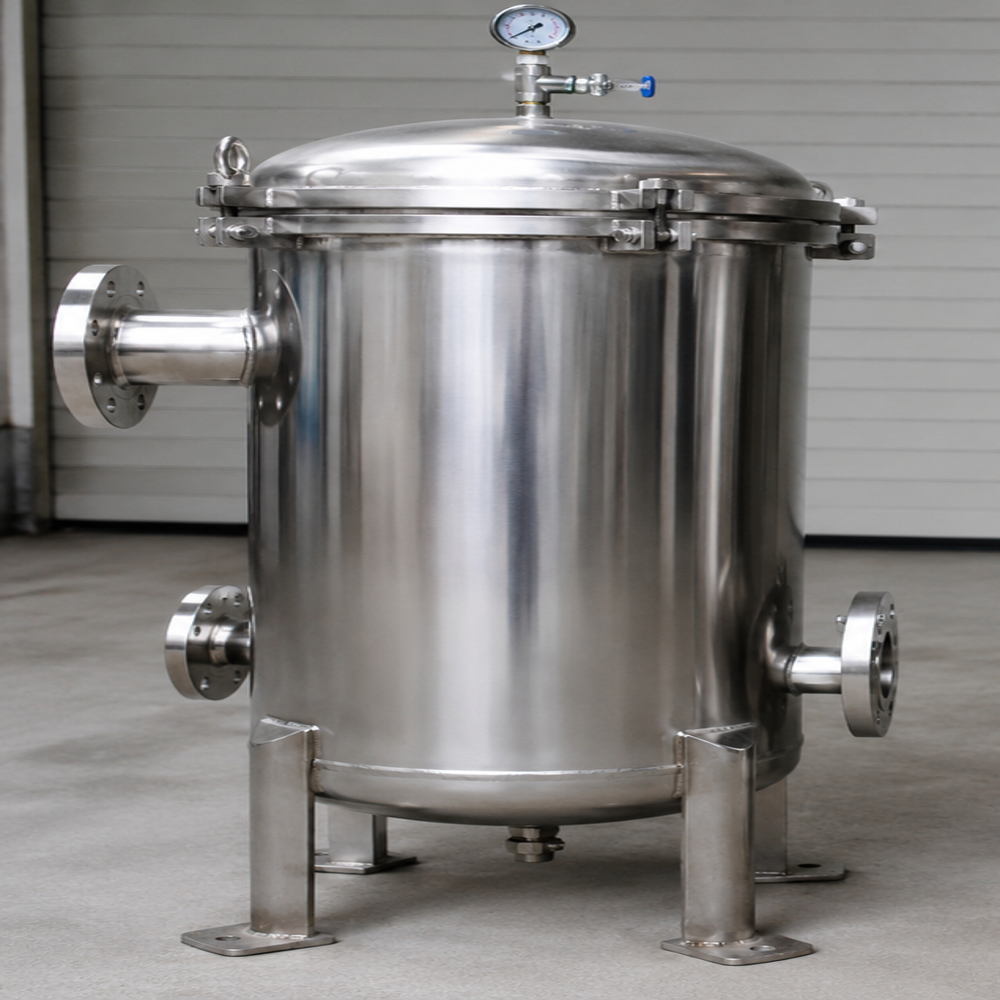
Tell us about your requirement

Price:
Quantity
Select Unit
- 50
- 100
- 200
- 250
- 500
- 1000+
Additional detail
Mobile number
Email

More Products in Industrial Filter Category
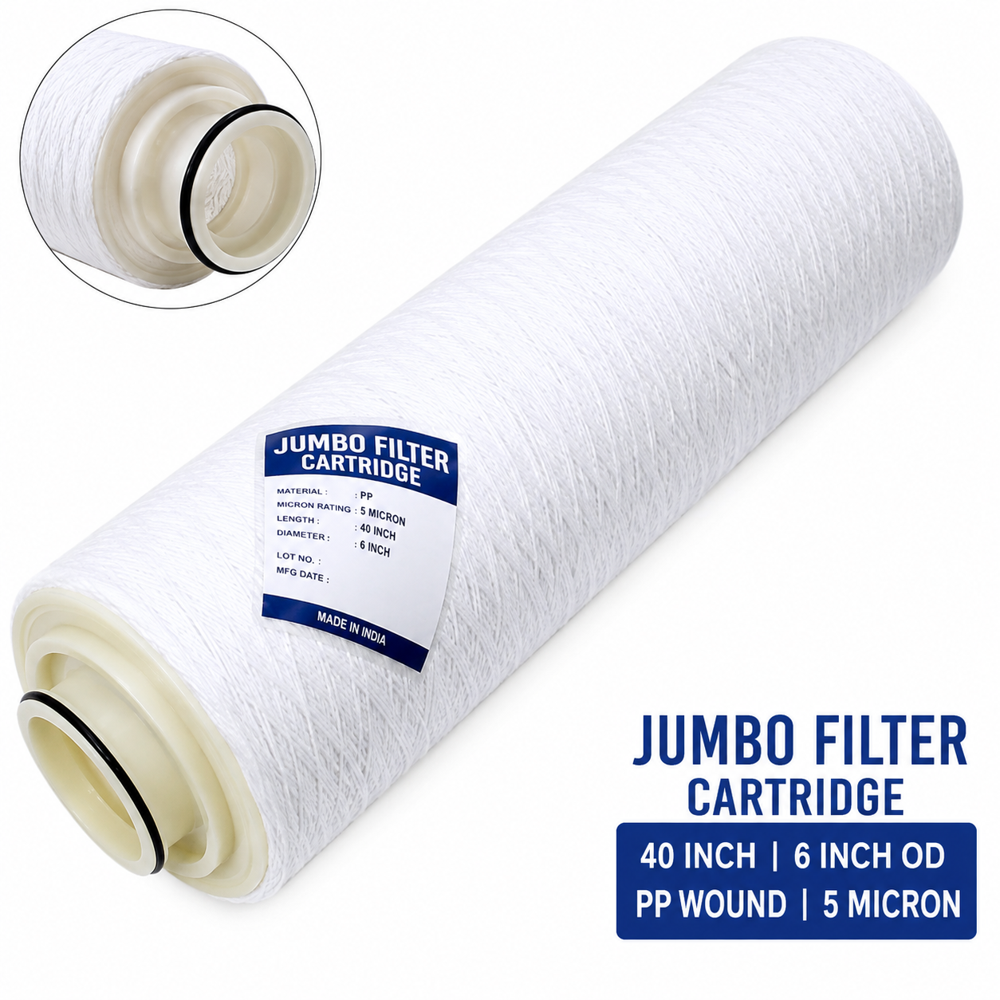
Jumbo Wound Filter
Price 200.0 INR / Piece
Minimum Order Quantity : 10 Pieces
Application : Water Filtration, Chemical Filtration, Food & Beverage, Pharmaceuticals
Efficiency (%) : 99%
Material : Nylon
Working Temperature : Up to 60C Celsius (oC)
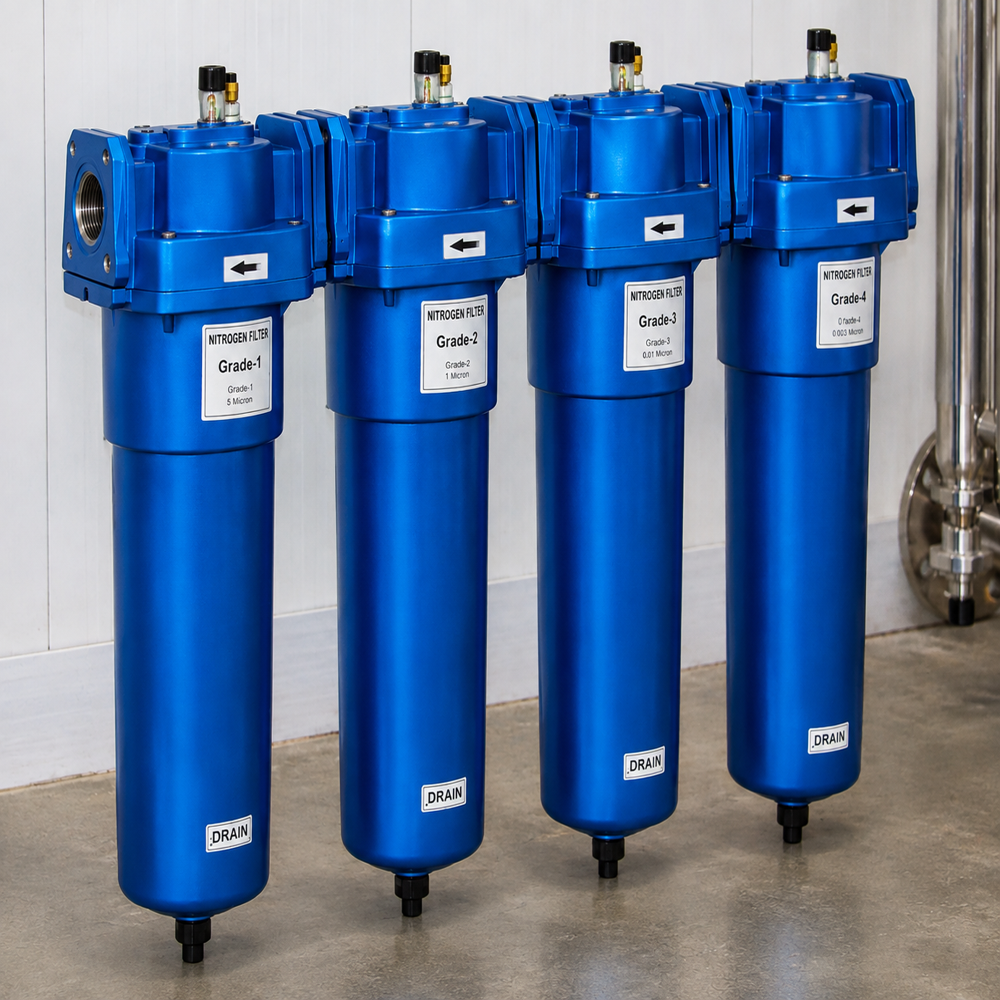
N2 FILTERS
Price 25000.0 INR / Piece
Minimum Order Quantity : 1 Piece
Application : Nitrogen Generation Plants PSA Nitrogen Systems Laser Cutting Machines Pharmaceutical Industry Food & Beverage Packaging Chemical Processing Electronics Manufacturing Semiconductor Industry Oil & Gas Laboratory Gas Systems
Efficiency (%) : 98%
Material : Carbon Steel
Working Temperature : 120 Celsius (oC)
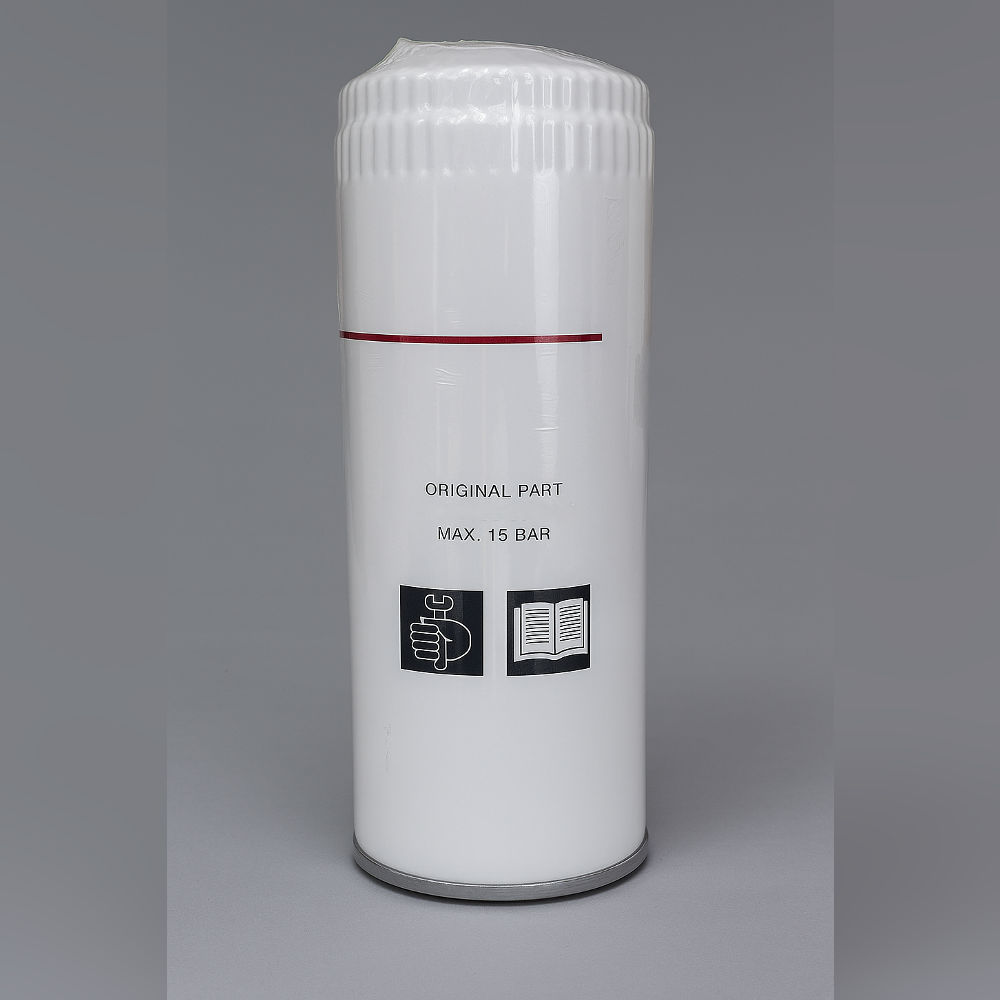
Spin Oil Filter
Price 2500.0 INR / Piece
Minimum Order Quantity : 1 Piece
Application : Diesel Engines Industrial Compressors Hydraulic Power Packs Construction Equipment DG Sets Marine Engines Agricultural Machinery
Efficiency (%) : 80%
Material : Carbon Steel
Working Temperature : 120 Celsius (oC)
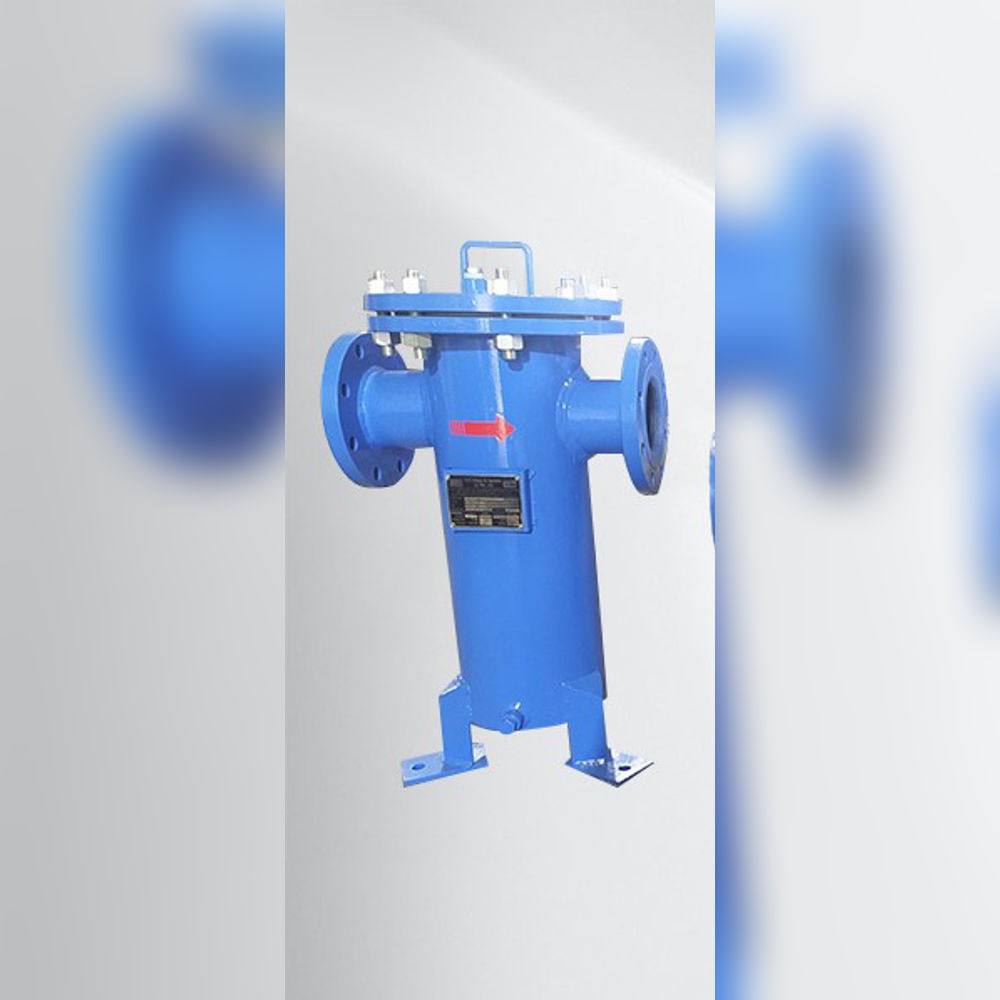
BASKET FILTER,Industrial Carbon Steel Basket Type Filter / Basket Strainer
Price 25000.0 INR / Piece
Minimum Order Quantity : 1 Piece
Application : Simplex Basket Filter Duplex Basket Filter YType Basket Filter HighPressure Basket Filter Steam Jacketed Basket Filter Magnetic Basket Filter Automatic SelfCleaning Basket Filter
Efficiency (%) : 99%
Material : Carbon Steel
Working Temperature : 120 Celsius (oC)

 Send Inquiry
Our Products


Ff/Shed No C-01/389/8, Third Floor, Opp. Matrix Company,Vadodara - 390010, Gujarat, India

Mr. Mahendra
(Proprietor)
Mobile :08037736756
 Send Inquiry
 Send SMS
Developed and Managed by Infocom Network Private Limited.
